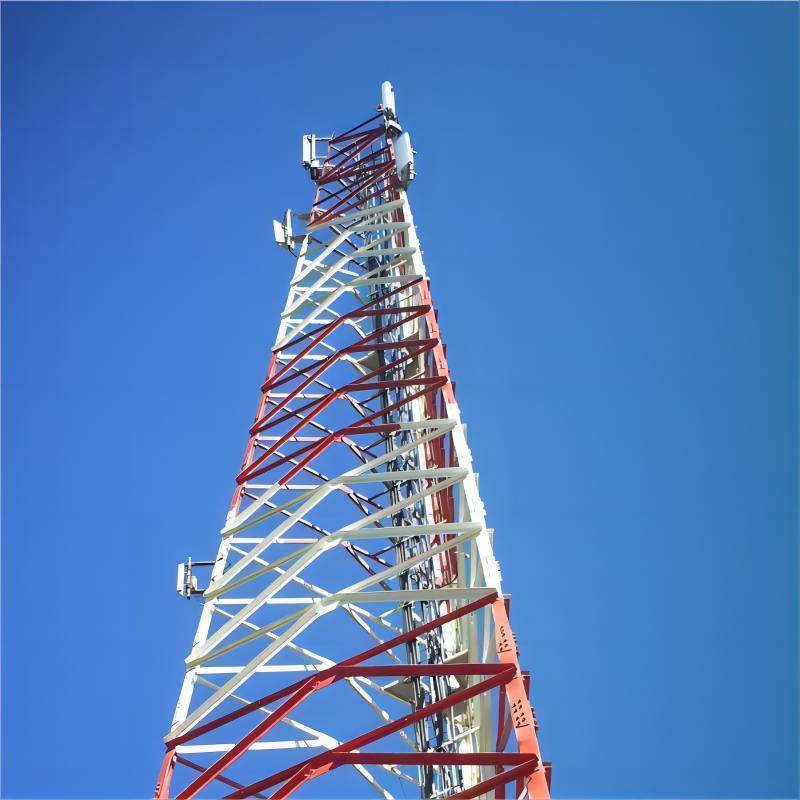

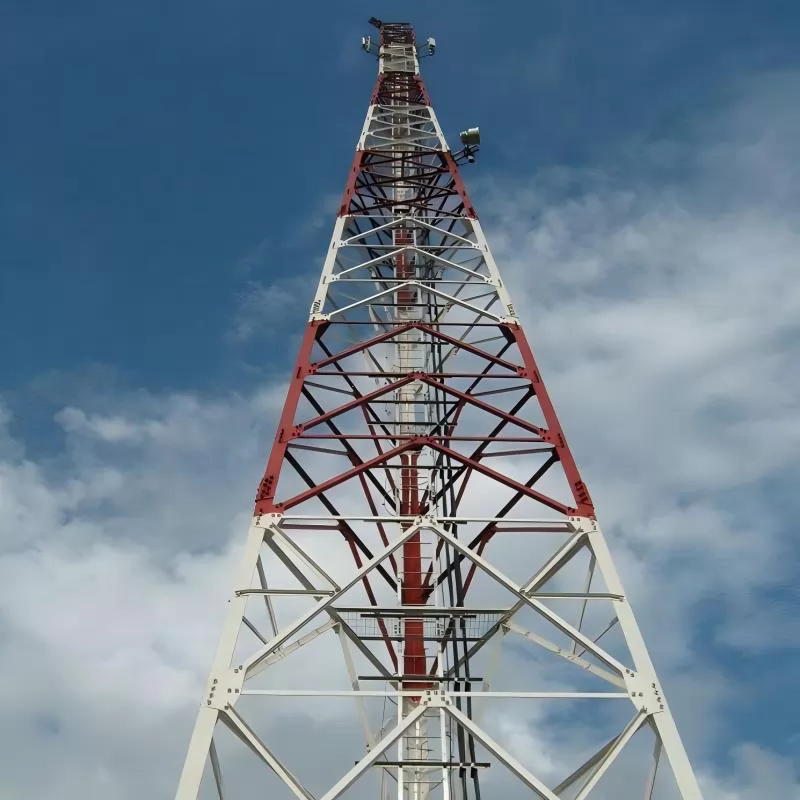


The most cost-effective communication structure, supporting 4G and 5G networks.
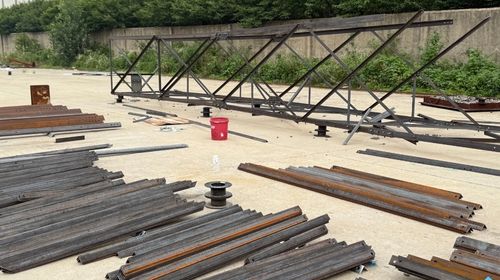
Trusted worldwide for mobile and broadcasting networks. Utilizes Q235B/Q355B Angle Steel sections in a modular bolted design, ensuring rapid deployment and low installation costs for regional communication infrastructure and remote sites.
Key Specifications
Structural Type: 3-Legged or 4-Legged Self-Supporting
Steel Grade: Q235B, Q355B (ASTM A36/A572)
Wind Load Rating: Up to 330 KM/H (as per local standard)
Height Range: 30–120 meters
Best for: Telecom, Radio Broadcasting, Remote Base Stations
| Parameter | Specification |
|---|---|
| Supply Ability (Monthly) | 3,000 Tons Per Month (High-Volume Assurance) |
| Structural Design Software | PLS TOWER, MS TOWER, ASM TOWER |
| Max Design Wind Speed | 0 - 330 KM/H (Conforming to Eurocode standards) |
| Main Angle Steel Material Grade | Q235B, Q355B, Q420 (ASTM A572, GR65 equivalent) |
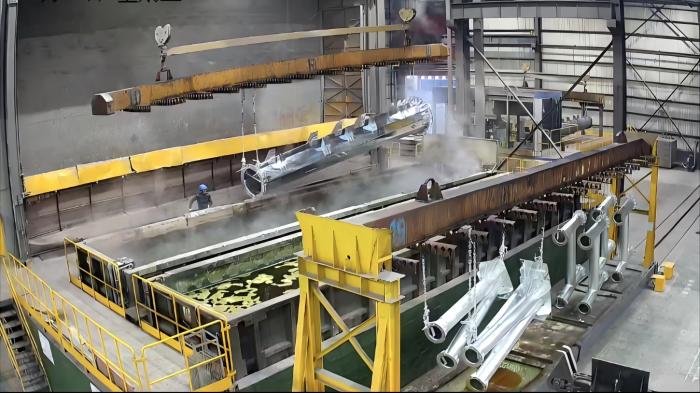
| Galvanization Standard | ASTM A123 / ISO 1461 Hot-Dip Galvanization |
| Bolt Grade | High-Strength Grade 8.8 |
| Service Life | More than 25 years |
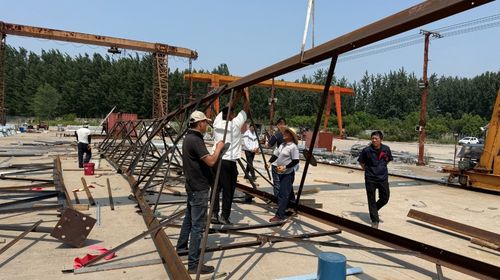
Our fabrication and design processes strictly adhere to major global engineering codes, ensuring structural integrity and project approval worldwide.
TIA-222-H (Telecom Towers) / ASCE 74 (Transmission)
ASTM A123 / ISO 1461 Hot-Dip Galvanization
AWS D1.1 (Structural Welding Code) Compliance
ISO 9001:2015 Certified Manufacturing
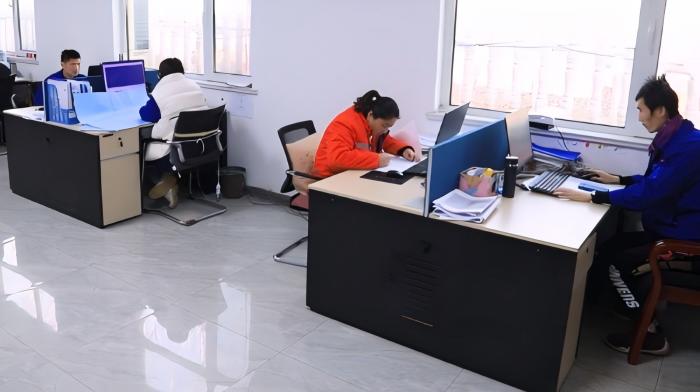
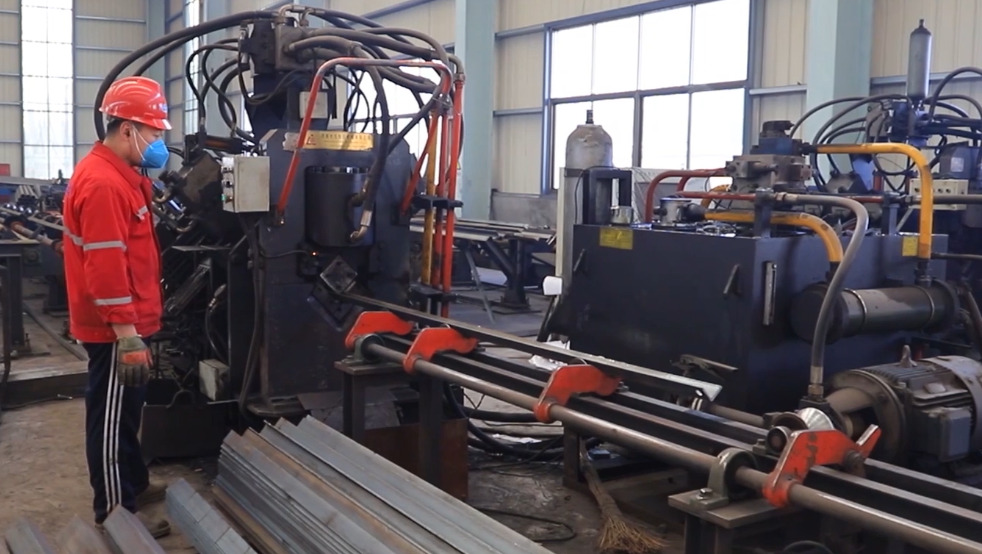
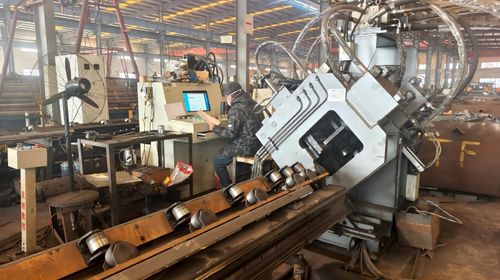
Our stringent 7-step QC protocol guarantees dimensional accuracy and material integrity, minimizing on-site construction risks.
Trusted by EPC contractors and national power grids across diverse geographic and climatic regions.
Challenge: High seismic activity and extreme humidity.
Solution: Customized 500kV lattice towers using Q420 steel and enhanced HDG per ASCE 74 standards.
Challenge: Logistical constraints and rapid deployment requirement.
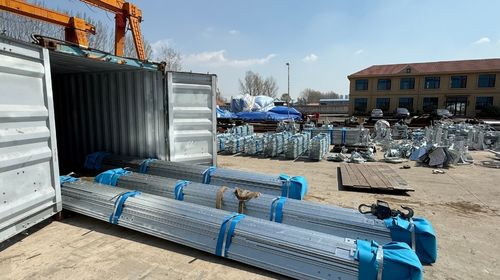
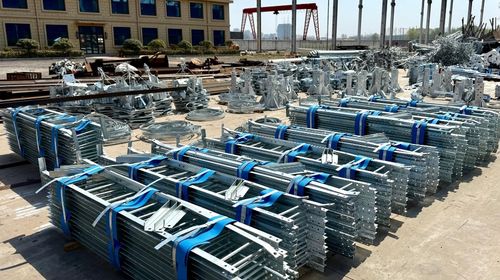
Solution: Standardized 60m 3-legged Angle Steel Towers with modular, container-optimized packaging for fast field erection.
Challenge: Highly corrosive saltwater environment.
Solution: Substation support structures with ASTM A123 certified galvanization exceeding standard thickness requirements for extended lifespan.
Challenge: Heavy ice loading and high-altitude wind pressure.
Solution: Custom-designed dead-end towers verified against 300 KM/H wind speed using PLS-TOWER software.
Every project has unique requirements for height, load, and site conditions. We specialize in custom-engineering Angular Towers to meet your exact specifications and project compliance standards (including ASCE and IEC).
Submit your technical drawings and specifications today for a detailed manufacturing proposal.


XH TOWER strictly implements GB8702-2014 "Electromagnetic Environment Control Limits", and the measured value of the base station antenna radiation power density is ≤0.08W/m² (only 40% of the national standard limit).
By optimizing the antenna tilt angle (electronic downtilt angle 0-15° adjustable) and vertical lobe width (6°-90°), the radiation value 10 meters away from the ground is ensured to be attenuated to below 0.01W/m².
For residential sites, XH TOWER can also provide a real-time radiation monitoring data disclosure platform, where users can scan the code on their mobile phones to view dynamic radiation values and eliminate public concerns.
Geological requirements for signal towers focus on the soil and subsurface conditions to ensure structural stability. A geotechnical study, including a soil test and boring logs, is mandatory to determine the site's ability to support the tower and withstand environmental forces like wind and earthquakes. The investigation assesses foundation rock types, groundwater levels, and slope stability to inform the appropriate design for the tower's footing and overall structure. Geological requirements for signal towers focus on the soil and subsurface conditions to ensure structural stability. A geotechnical study, including a soil test and boring logs, is mandatory to determine the site's ability to support the tower and withstand environmental forces like wind and earthquakes. The investigation assesses foundation rock types, groundwater levels, and slope stability to inform the appropriate design for the tower's footing and overall structure.