



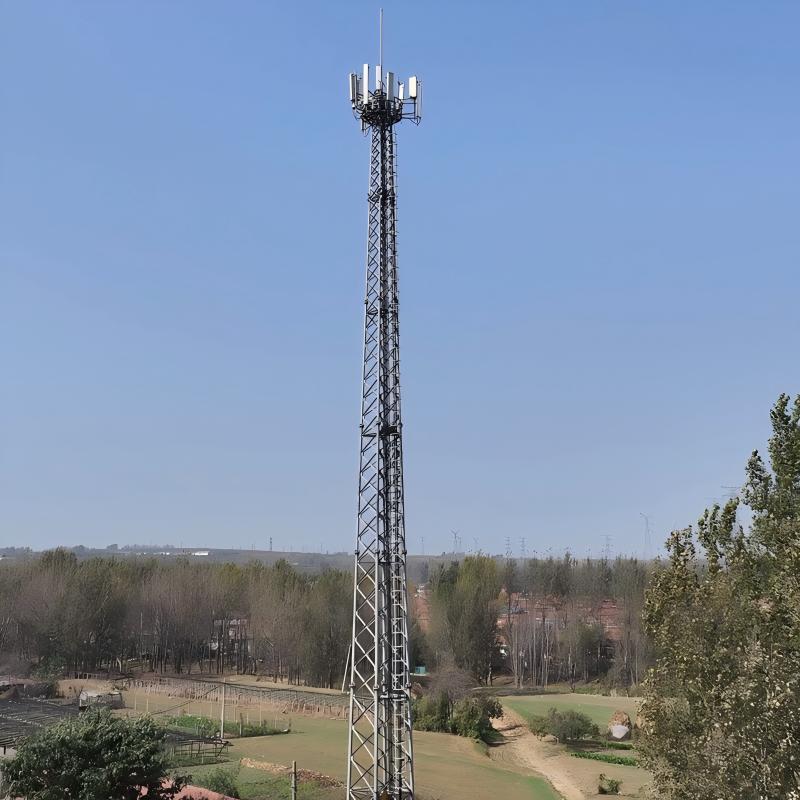
Designed for maximum load bearing, high wind areas, and multi-carrier capacity.
The 4-Legged Tubular Steel Tower provides exceptional stability and torsional stiffness. It is the preferred choice for major macro sites requiring substantial antenna loading at heights up to 120 meters. The tubular construction minimizes site footprint compared to conventional lattice while offering a cleaner aesthetic.
Key Specifications
Design Height: 30M to 120M
Steel Grade: Q355B / ASTM GR50/65
Wind Rating: Up to 330 KM/H
Corrosion Protection: Hot-Dipped Galvanized (HDG)
Best for: Primary Telecom Hubs, Coastal Areas
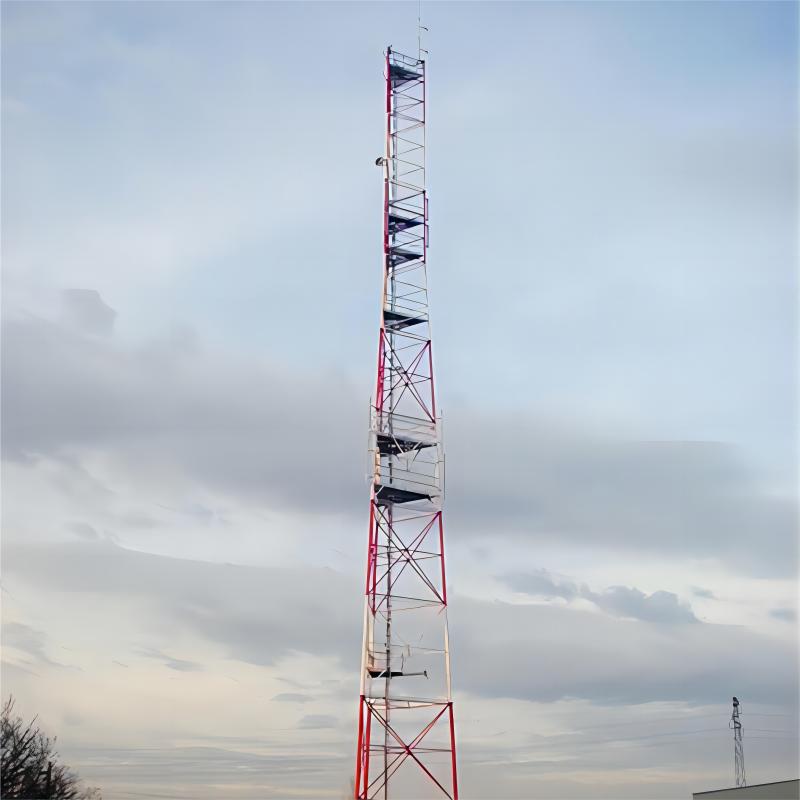
A balanced solution offering excellent stability with reduced material and foundation costs.
Our 3-Legged Tubular Steel Tower is optimized for stability in moderate load and wind environments. It utilizes high-grade steel materials and Grade 8.8 bolts to ensure longevity exceeding 20 years. This model is ideal for bridging coverage gaps and network expansion projects in standard terrain.
Key Specifications
Load Capacity: Medium to High (Based on Design)
Structural Software: PLS TOWER, MS TOWER
Foundation: Smaller Footprint vs. 4-Leg Lattice
Galvanization Standard: ASTM A-123
Best for: Suburban Macro Sites, Regional Networks
| Parameter | Specification (Directly from Brochure) |
|---|---|
| Product Name | 3-Legged / 4-Legged Tubular Steel Tower |
| Standard Height Range | 30 - 120 Meters (M) |
| Maximum Wind Speed | 330 KM/H |
| Structural Materials (High Grade) | Q355B/C/D, Q420, ASTM 572, GR50, S355JR |
| Corrosion Protection | Hot-dipped Galvanized (HDG) |
| Galvanization Standard | ASTM A-123 |
| Bolts/Fasteners Grade | Grade 8.8 |
| Estimated Life Time | More than 20 years |
Tubular Steel Towers (also known as Pole Towers) are a modernized infrastructure solution favored for their structural efficiency and aesthetic appeal in urban and sensitive environments.
The smooth, uniform profile of the tubular design allows for easy painting or camouflage integration (e.g., Mono-Palm), minimizing visual impact in residential or scenic areas.
Requires a smaller physical land area for the base compared to wide-stance angle steel lattice towers, simplifying site acquisition and civil works, particularly in dense urban settings.
Fewer visible members and joints reduce accumulation of dirt and avian nesting, streamlining maintenance and providing a contained area for cable management.
Manufactured using international material standards (ASTM A36/A572, EN S355 series) and professional software (PLS TOWER) to ensure longevity and safety.
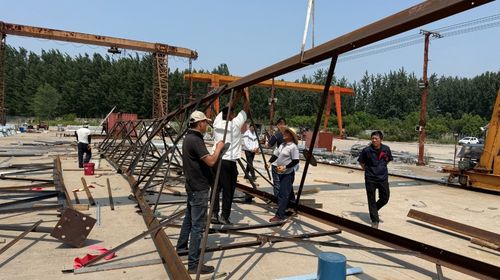
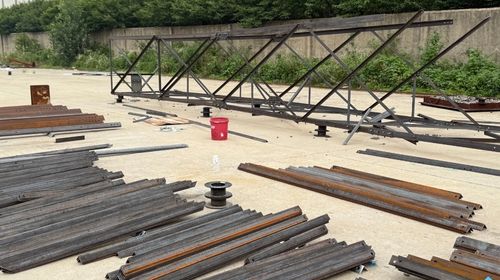
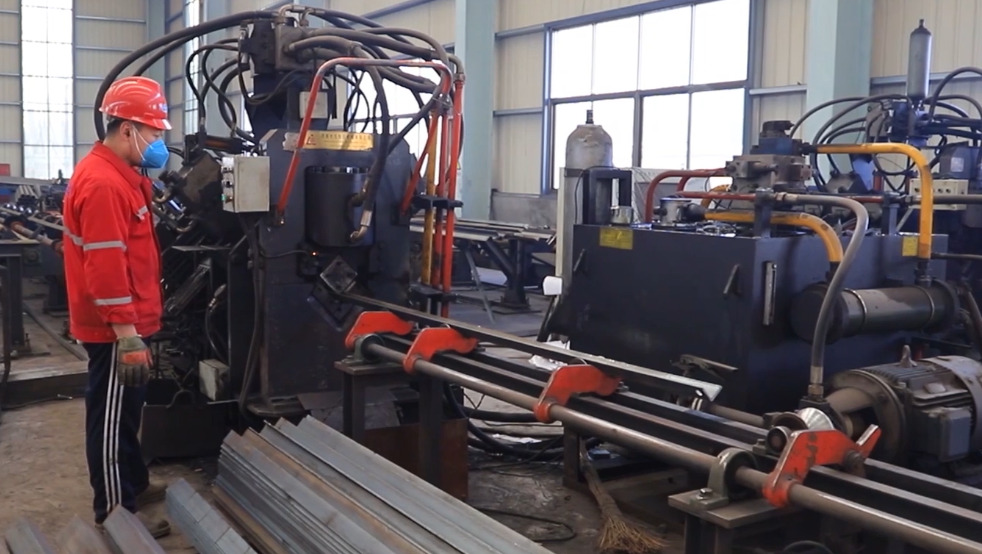
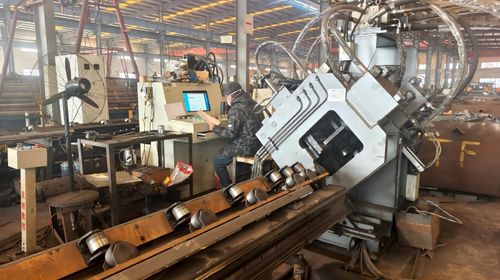
Our fabrication process is centered on precision welding and world-class anti-corrosion treatment (Hot-Dip Galvanization).
Material Sourcing & Cutting: Using certified Q355 steel plate, precise CNC cutting prepares the steel sections for shaping.
Welding & Assembly: Sections are welded using advanced techniques (e.g., Submerged Arc Welding for Monopole). All seams are inspected for integrity.
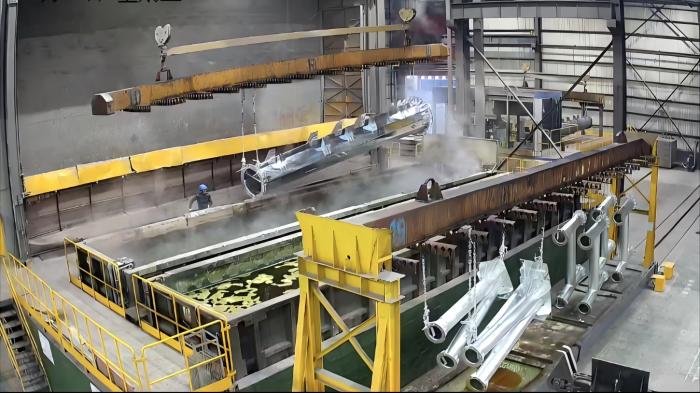
Hot-Dip Galvanization (HDG): Towers are immersed in molten zinc according to the ASTM A-123 standard to provide robust, long-term corrosion protection.
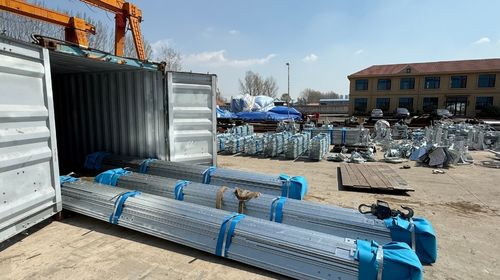
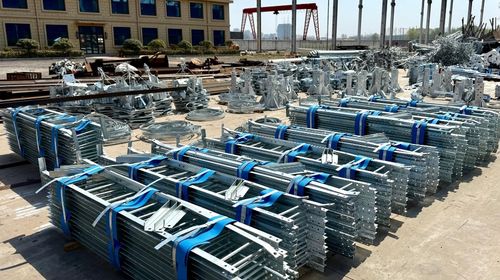
Packaging & Logistics: Components, including custom-colored members, are securely packaged for container shipment to ensure safe global delivery. Our supply ability is 2,000 Tons Per Month.
Our products adhere to stringent international material and construction standards, ensuring quality and regulatory compliance worldwide.
Design software includes MS TOWER, ASM TOWER, PLS TOWER
ASTM A-123 for Hot-Dip Galvanizing
ASTM A36, GR50, EN S355 Series
We specialize in providing fully customized Tubular Steel Tower designs to meet specific regional requirements for height, load, and wind zone specifications.
Submit your project specifications and foundation requirements today for a technical review and manufacturing proposal.

XH TOWER strictly implements GB8702-2014 "Electromagnetic Environment Control Limits", and the measured value of the base station antenna radiation power density is ≤0.08W/m² (only 40% of the national standard limit).
By optimizing the antenna tilt angle (electronic downtilt angle 0-15° adjustable) and vertical lobe width (6°-90°), the radiation value 10 meters away from the ground is ensured to be attenuated to below 0.01W/m².
By optimizing the antenna tilt angle (electronic downtilt angle 0-15° adjustable) and vertical lobe width (6°-90°), the radiation value 10 meters away from the ground is ensured to be attenuated to below 0.01W/m².
For residential sites, XH TOWER can also provide a real-time radiation monitoring data disclosure platform, where users can scan the code on their mobile phones to view dynamic radiation values and eliminate public concerns.
Low torsional stiffness: an L-shape is unsymmetrical, so it resists twisting poorly versus closed or symmetric sections. This matters where torsion or lateral buckling is possible.
Direction-sensitive strength: one leg carries more of the load depending on orientation — designers must account for eccentric loads and local bending.
Less material efficiency: for the same weight, I-sections or tubular sections usually provide higher moment of inertia (stiffness) and therefore carry larger bending loads more efficiently.
Connection and fatigue issues: lattice/angle assemblies need many bolted/welded connections that concentrate stress and require inspection/maintenance; fatigue cracks can initiate at bolt holes or weld toes.
Aesthetic & aerodynamic drawbacks: open lattice made from angles increases wind profile and creates more surfaces to corrode or collect dirt compared to smooth tubular members.
angle steel is excellent for cost-sensitive, short-to-medium spans and lattice towers, but for long spans, heavy bending/torsion, or low-maintenance needs, prefer I-sections, box/tubular sections, or engineered hollow sections.
Geological requirements for signal towers focus on the soil and subsurface conditions to ensure structural stability. A geotechnical study, including a soil test and boring logs, is mandatory to determine the site's ability to support the tower and withstand environmental forces like wind and earthquakes. The investigation assesses foundation rock types, groundwater levels, and slope stability to inform the appropriate design for the tower's footing and overall structure. Geological requirements for signal towers focus on the soil and subsurface conditions to ensure structural stability. A geotechnical study, including a soil test and boring logs, is mandatory to determine the site's ability to support the tower and withstand environmental forces like wind and earthquakes. The investigation assesses foundation rock types, groundwater levels, and slope stability to inform the appropriate design for the tower's footing and overall structure.


